1. Walk the grounds
For outdoor spaces, the crew walks fence lines, planters, corners and bushes where needles collect.
Louisville, IL · Clay County
Needles near a play area, a business entrance or a rental in Louisville are a risk until they are gone. Call (877) 812-4220 for pickup, containment and disposal as regulated medical waste.
If anyone is in danger, call 911 first. For a suicide crisis, call or text 988.
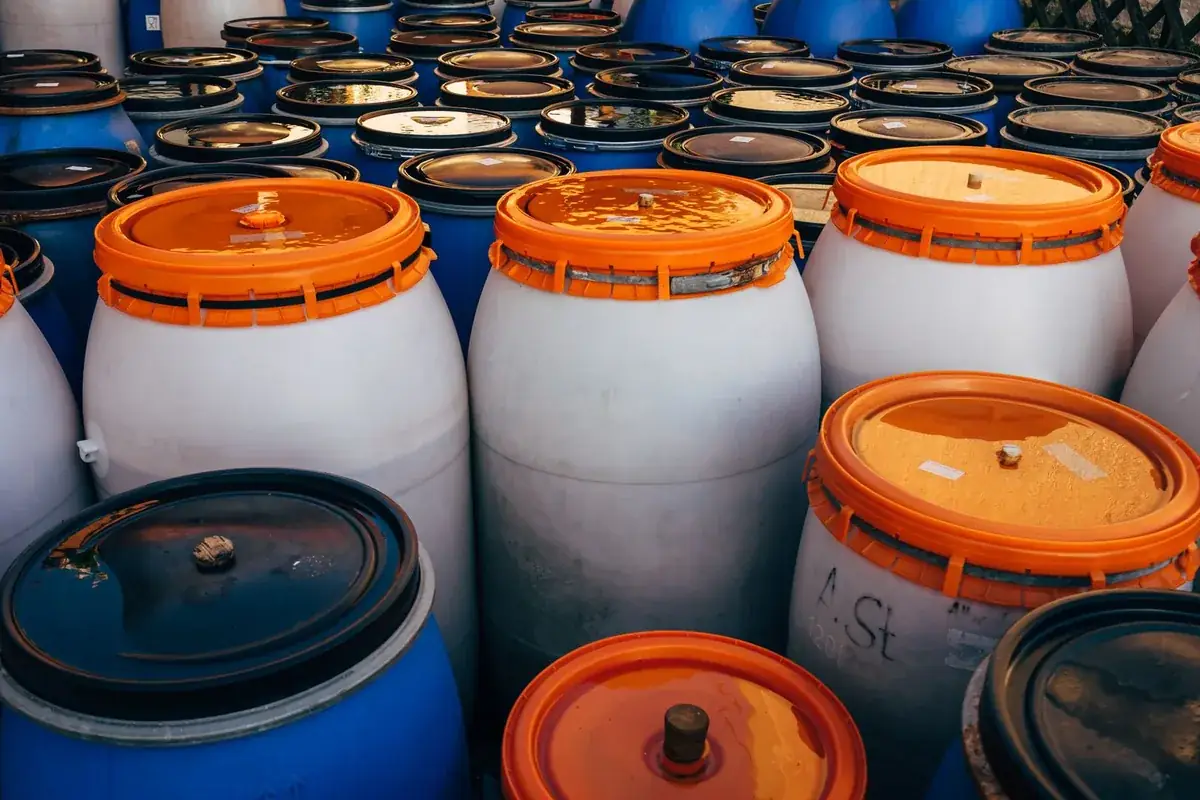
Biohazard sharps removal is more than picking up one needle. It involves sweeping an area, checking furniture and corners, collecting every sharp and confirming nothing is left behind.
With help from Louisville Biohazard Cleanup Help, you get a local team in Louisville that knows sharps must never be touched barehanded. Crews contain the hazard, haul it away and clean the space across Clay County.
With a vacancy rate near 14% in Clay County, many owners check empty properties for sharps before repairs, sales or new tenants. Tell the doctor where the needle was found. The nearest emergency room to Louisville is Clay County Hospital, about 8 miles away.
A typical needle & sharps cleanup job includes:
For outdoor spaces, the crew walks fence lines, planters, corners and bushes where needles collect.
Crews put on protective gear and search the whole area, including corners, drawers and under furniture.
Containers are sealed, loaded and taken away. They leave the property as one load.
Containers go to a facility that treats medical waste, and the owner can ask for a record of what was found.
The cost of needle & sharps cleanup in Louisville, IL depends on the amount of material, how it is packed and how it is hauled.
Disposal as regulated medical waste is part of the work, and treatment facilities charge by container or weight.
| Type of job | Typical range |
|---|
These ranges come from published cost guides () and are not a quote for Louisville. Price drivers include number of items, where they are found, whether a sweep of a large area is needed, waste disposal. For a real number, call (877) 812-4220.
Stay back and keep children and pets away. Do not pick it up. Note where it is and call the local health department or a cleanup team. If anyone is stuck or cut, wash with soap and water, get medical care, and call 911 in an emergency.
Safer options exist. Many cities and health departments have programs for found needles and may give instructions or send someone. If you are unsure, do not touch it. Leaving a needle in place and keeping others away is safer than risking a stick.
The price depends on the size of the area, the number of sharps and access. A short sweep costs less than a full building. A cleanup team can give a real price after hearing the details, and it should explain what is included before work begins.
A small yard or single room can be quick, while a building or large lot takes longer. Clutter, hidden spots and the amount of sharps affect the time. A cleanup team can give a realistic idea once it hears the details.
Sometimes. Some homeowners and renters policies cover cleanup after a covered event, and many do not cover needles on their own. Call your insurance company before work starts, take photos from a safe spot, and keep every receipt. Check your policy rather than assuming.
It is a rigid, puncture-resistant box with a locking lid, made to hold needles, syringes, lancets and blades. Cleanup teams use them to seal sharps for transport. Containers should not be overfilled or opened again once locked.
Ask about discreet arrival in an unmarked vehicle if privacy matters.
Call (877) 812-4220